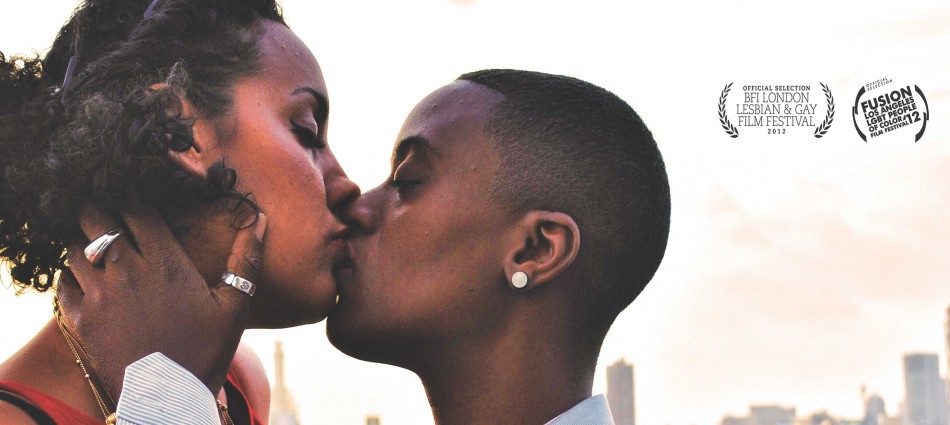
The Other Screen: Queer Visibility and Desire
I keep thinking about what counts as “screen culture” now. Cinema is still my first love, but moving images have leaked into every corner of life: phones, timelines, webcams, and adult cams. We can pretend these spaces are separate from film culture, but they are not. They are all about who gets looked at, who gets paid, who gets shamed, and who gets to look back. Nuff said.
People love to talk about representation when the work is respectable, funded, and sitting safely inside a festival brochure. The conversation gets much quieter when the image is sexual, messy, live, commercial, or made by people who are not asking permission from mainstream taste-makers. Funny that. This is where respectability ends and where the real fear of queer and trans visibility begins.
I think about this most sharply around trans sex cams, because the same culture that consumes trans bodies often refuses trans people dignity, voice, craft or safety. That contradiction is not outside screen culture. It is right there in the middle of it.
Black queer filmmakers know this border very well. One minute the culture wants our pain, our trauma, our struggle and our “authenticity”. The next minute it wants to police our pleasure, our desire and the way we choose to be seen. If a Black trans woman, a stud, a femme, a queer man, or a gender non-conforming performer controls the camera for themselves, suddenly the audience gets nervous. Suddenly the gaze is not so innocent. Go figure!
This is why I do not think we can talk honestly about independent film without also talking about the other screens people actually watch. Some viewers discover queer life through arthouse cinema. Some discover it through YouTube. Some discover it through porn, cam rooms, chat spaces, or late night searches they would never admit to in daylight. Are those spaces free from racism, misogyny, transphobia or exploitation? Of course not. But neither is the film industry.
The question is not whether a screen is pure. No screen is pure. The better question is: who has agency there? Who controls the cut? Who owns the image? Who is allowed to be complicated? Who is reduced to a category, a fantasy, a body part or a useful symbol?
For me the work is always to make a queer gaze sharper. A queer gaze is not just “looking at queer people”. It is looking at power, looking at absence, looking at who has been pushed out of the frame and asking why. It means watching the obvious image and also everything around that image: money, race, gender, shame, pleasure, censorship and survival.
That is why I still believe in unruly images. The ones that do not behave. The ones that make polite people shift in their chairs. The ones that remind us the hunter should not be the only person holding the camera.